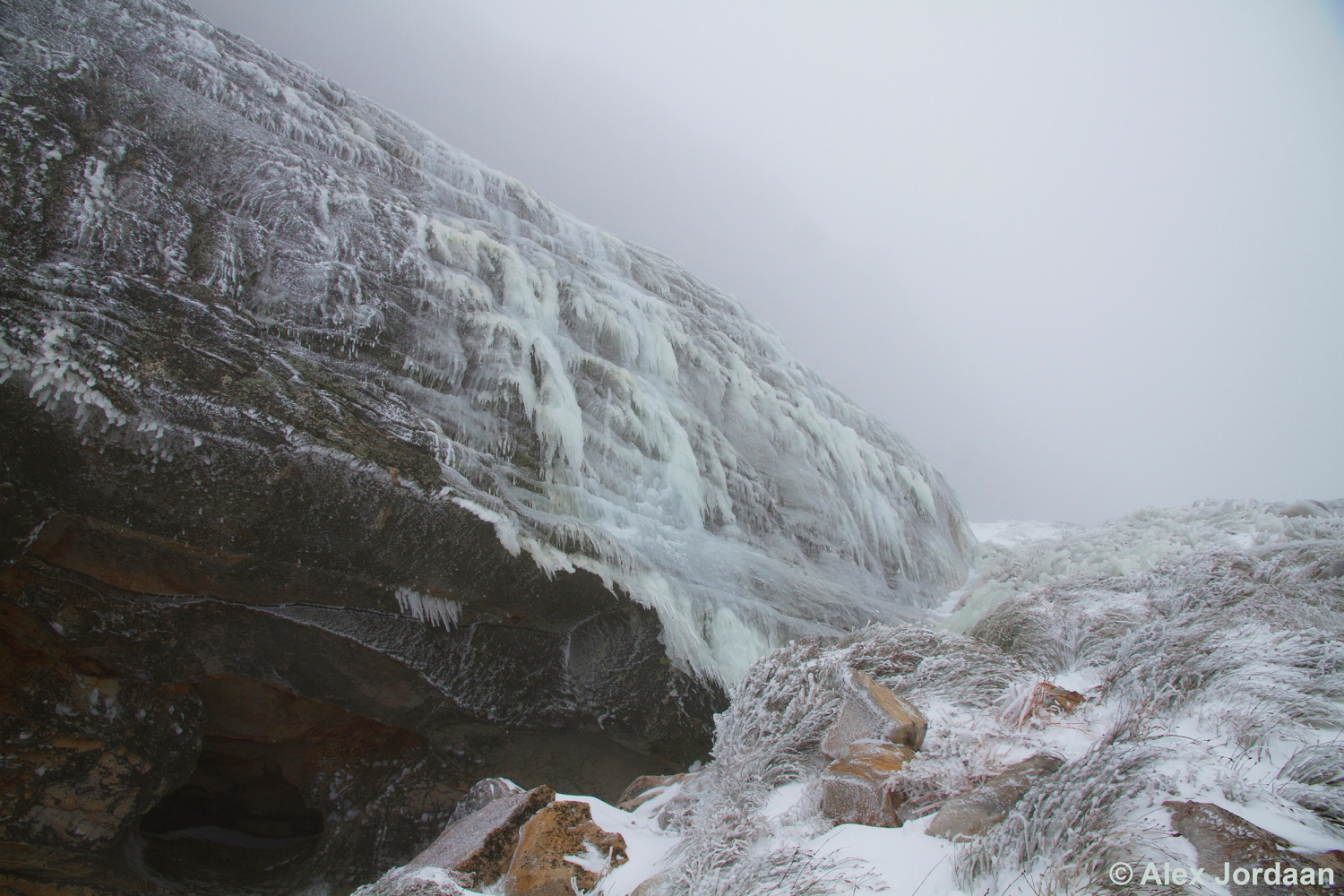
Packing light for the Otter Trail
Alex
Cape Town-based artist Alex Jordaan brings together a deep reverence for nature and an unrelenting drive for creative innovation.
Related Post
Biking in the Karoo
April 9, 2013

The definitive Otter Trail Guide
April 1, 2013
Startrail photography
February 20, 2013
Packing light for the Otter Trail
Facebook
Twitter
Pinterest
LinkedIn
Having done the Otter Trail 12 times now, I know the importance of packing light since the trail has many hill ascents and descents. I have managed to get my pack down to 11kg, but I’ll keep on refining my packing skills until I break the 10kg barrier. Many people argue that you need certain luxuries, but I’m a firm believer that the lighter your pack the more enjoyable and easier your hike will be. Obviously all luxuries get tossed if you want to go super light.
The weight of my full backpack is roughly divided into thirds: one third is for gear, a third for clothes and a third for food.
Gear can make a big difference. If you hike often it makes sense to spend the extra money and invest in decent gear. Over the years I’ve acquired some nice lightweight equipment. Here is my list:
- Lightweight Ospray Exos 58litre backpack
- Rain cover for your backpack (the Exos does not come with a built in rain cover like some other bags)
- First Ascent Adventure Lite sleeping bag
- Survival bag (this can be left at home if you know you will be crossing the Bloukraans River at spring low tide)
- Petzl Tikka XP headlamp
- RED solar power bank
- Small medi-kit (some plasters, pain killers and diarrhoea tablets)
- Small pot set for cooking (I also eat from my pot)
- Small gas stove and one gas canister (make sure your stove has a big burner, they are much more efficient)
- Thin plastic cutting board
- Spoon
- Knife for cutting and food preparation
- 3 litre Platypus water bladder (this is good when hiking and I also use it to keep water in the hut for cooking and drinking)
- Washing up liquid in a small container (a film canister works great) and a washing up sponge
- Drying cloth (I roll my spoon and knife in it for packing and I use the cloth when cooking)
- Travelon tubes (great for taking liquids like olive oil and honey)
- Degradable, insect repellent soap (I cut mine in half to save weight)
- Toothbrush and a small tube of toothpaste
- Lightweight camping towel
- Canon Powershot G7X Mark II (lightweight with great versatility and loads of great functions)
- Cellphone (for emergencies and can also be used for music, reading, etc)
You will have to shop around a bit to find all the gear you want. Good places to start includes Cape Union Mart, Outdoor Warehouse and other outdoor shops.
Clothing depends on the season. If you’re hiking in the winter you will need more warm stuff and possibly a warmer sleeping bag. I basically take a set of clothes for hiking and a set for the evenings. Here is my list is for autumn or spring:
- Hiking/running shorts – quick-dry
- T-shirt – quick-dry
- First Ascent X-Trail jacket (lightweight rain jacket)
- Saucony Peregrine trail running shoes (light but have good support and sticky rubber)
- Falke hidden dry socks – 5 pairs
- Underwear
- Long hiking pants
- Long sleeve base layer (I use a Cape Storm Puffadder fleece)
- Warm jacket
- Sun hat
Food obviously depends on everyone’s personal preferences. Here’s what I take on this 5 day hike.
List of ingredients:
Breakfast:
- Oats – two cups
- Cinnamon – to sprinkle on your oats
- Honey – 100ml
Snacks:
- Cashew nuts – 200g
- Dried mango – 100g
- Dried pineapple – 100g
Lunch (for 3 days):
- Tuna sachets (John West) – 3 x 85g
- Grapes – 100g
- Orange – 1 small
- Red pepper – small
- Carrot – one medium size
- Tomato or Avocado – one (not both)
- Baby corn or baby marrow – 100g (not both)
- Cheese – 150g medium or hard cheese
- Salt & pepper
To drink:
- Tea bags – 4 or 5
- Coffee powder
- Fresh ginger – small piece (good for tea and to spice up your dinner)
- Re-hydrate – 2 packets (rehydration mix-a-drink powder)
Dinner day 1:
- Steak – 200g
- Cucumber – 150g
- Salad dressing – small sachet
- Bread roll – 1
Dinner day 2:
- Fresh basil leaves
- Wraps – 2
- Sun dried tomatoes 50g – third of a pack
- Sun dried mushrooms 20g – two thirds of a pack (take 2 packs)
- Sun dried onion 80g – third of a pack
Let the sundried ingredients soak in a little bit of water in the afternoon to re-hydrate it. Add some of the red pepper, baby corn, carrot and ginger. Fry it all up in some olive oil and you have a delicious and fresh filling for you wraps.
Dinner day 3:
- Couscous – 80g
- Feta cheese – 100g sealed packet
- Sun dried tomatoes 50g – third of a pack
- Sun dried mushrooms 20g – two thirds of a pack
- Sun dried onion 80g – third of a pack
Add some red pepper and ginger. Cook the cuscus with all the sundried ingredients (soaked as before) and add water as needed. When the couscous is ready stir the feta in and dinner is ready.
Dinner day 4:
- Rice – 50g
- Red lentils – 50g
- Sun dried tomatoes 50g – third of a pack
- Sun dried mushrooms 20g – two thirds of a pack
- Sun dried onion 80g – third of a pack
- Ginger
- Landjaeger sausage – two
Fry the sausage in some oil and add to the rest of the ingredients for another delicious meal.
Desert:
- Corn kernels – 80g
Make the popcorn using some oil, it smells amazing. And take a slab of Lindt chocolate – you need some luxury!
Once again you’ll have to shop around to find all the ingredients. The sundried ingredients can be a challenge to find, don’t leave your shopping until the last minute.
Tips:
- Wrap you meat and cheese in newspaper, it will keep it nice and cool and also doubles up as a fire lighter
- Wrap your fresh basil in wax-paper/baking-paper it will keep it fresh for days
Good hiking!!